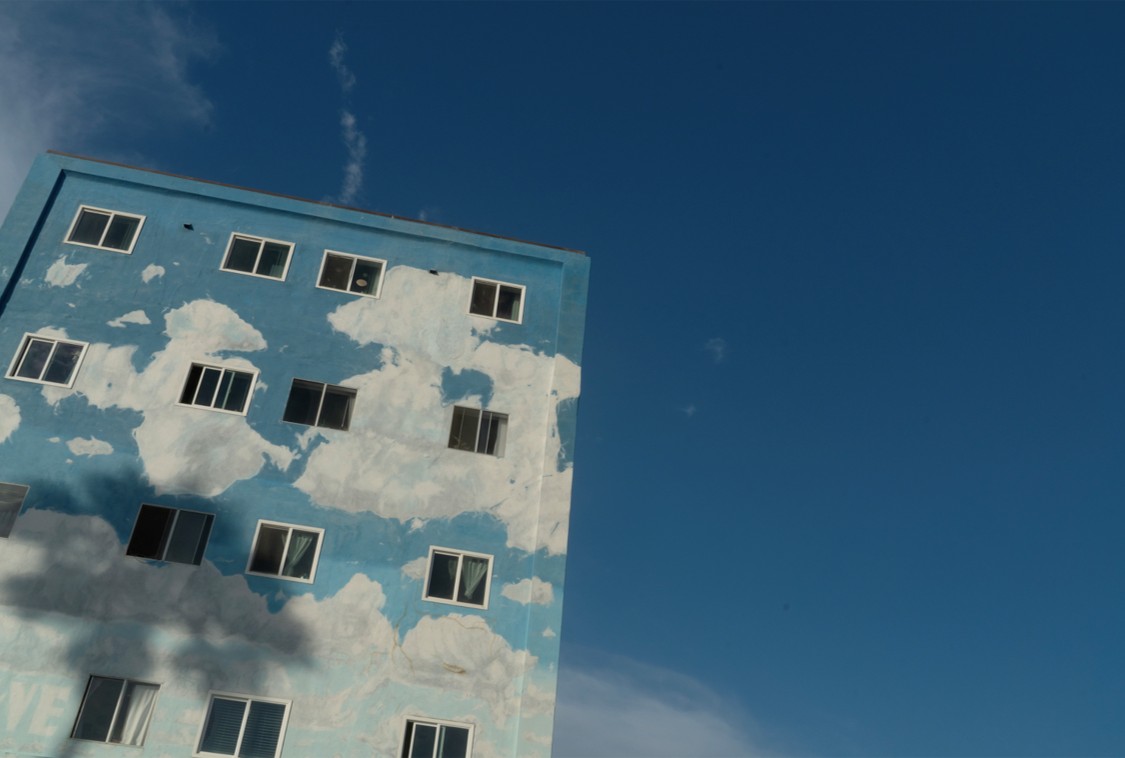
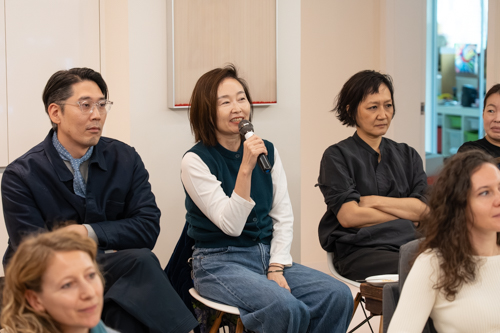
The 101st ARTCaffè hosted Jaye Rhee.
Tracing the artist’s journey through making, questioning, and rediscovering purpose, the talk reflected on the unexpected turning points that reshape a project. The narrative followed the creation of The Perfect Moment and Once Called Future — from intimate conversations with a dancer to an arduous, months-long intervention at an abandoned Futuro House in Texas — and culminated in All That Glitters, All that Flickers, a meditation on surface, decoration, and imagined futures. Across two decades, a recurring theme emerged: the fragile utopias we construct and briefly inhabit.
Below is a recap of The Talk.
***
Jaye Rhee: Even though I usually work with moving image, video, and film, for this talk, I decided to present just a few images, and then we’ll focus on the art-making process behind the scenes — what happens when you decide to make a work, and what happens when you actually make it.
People often ask me where I get my inspiration. I don’t really think about inspiration.
Years ago, I suddenly asked myself: What am I doing with my life? When you’re deep in the process of making, there is a kind of ecstatic experience — a happiness that comes from the act itself. But our practice isn’t economically driven. So, I asked myself: What does art actually give me?
That question stayed with me for days, and the answer became clear: art gives me that happiness, that feeling of ecstasy while making. But that feeling has little todo with “life” in the broader sense. Life is something else.

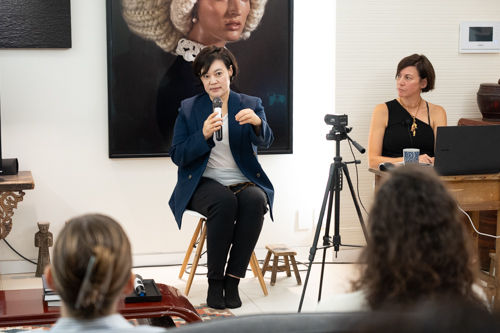
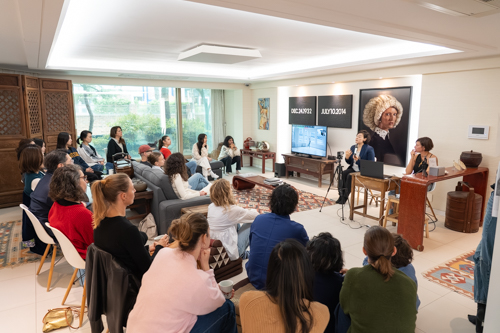
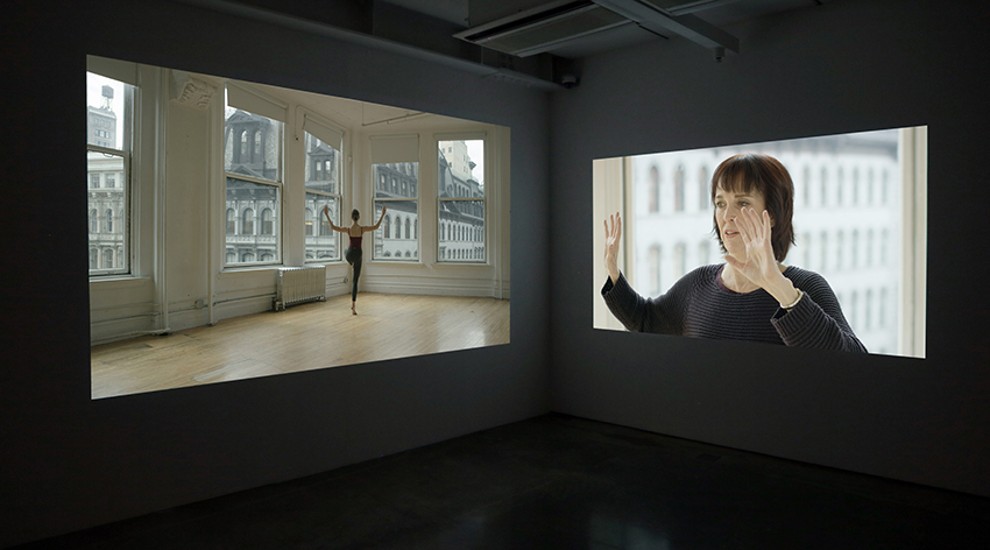
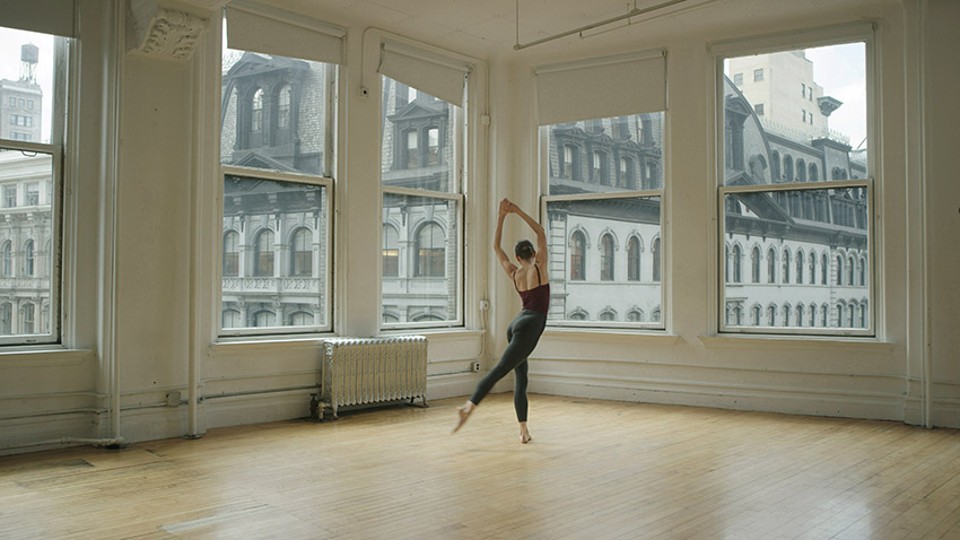
Before this question emerged, I had made a four-channel video work with modern dancers. To prepare, I met many dancers, watched many performances, and spoke with them in person. During that time,I realized something important: dancers and performers who work live in front of audiences experience a perfect moment with the audience. Visual artists also experience a moment when everything aligns — when you think, This is it, I love it — but that moment happens in solitude. Dancers experience it live, in real time, with others present.
So, when I asked myself what art gives me, I decided to make a work titled The Perfect Moment. In this case, the title came first.
Since I already knew many dancers, I contacted seven or eight of them. I wanted each to describe the moment when they felt perfection — during a live performance, with the audience — and I planned to record those descriptions and pair them with abstract movements. Movement is abstract, and even its verbal descriptions are, because everyone imagines differently. That was the initial plan.
Then somethingun expected happened.
One dancer —someone I admire deeply and who had appeared in a previous work — called me around midnight, and told me she couldn’t join the shoot. She had injured herself. She lives in myneighborhood, so I visited her to chek on her. She had sprained her toe and was devastated that she couldn’t dance. I thought: You’ve been dancing your whole life. Does this really make you so sad? And then: Will this happen to me someday? Because artists don’t retire. If you can’t practice anymore, it feels like a small death.
Behind her I saw stacks of videotapes, photographs, books — her entire dance archive in outdated formats. I suggested helping her transfer the tapes to digital media, even though I myself have hundreds of tapes I still haven’t transferred. But I said it anyway, and we began going through her materials.
Something shifted then. She started speaking deeply about her work, and I began to understand her as an artist. Even though we are different — in backgrounds, generations, mediums — there was something we shared.
I visited regularly and started writing. For several months I wrote and she healed. Eventually I realized I didn’t need all the dancers; the work would be only about her and a younger dancer. The script became clear: three parts, one piece.
The work was essentially finished once I completed the writing. All the logistics — the shoot, the camera rental, everything else — came afterwards.
In the piece, the older dancer speaks about her past, about the perfect moment she experienced in her twenties. While I was shooting, I realized that my next project would be about the future. I didn’t know what kind of future, but the word “future” stayed with me.
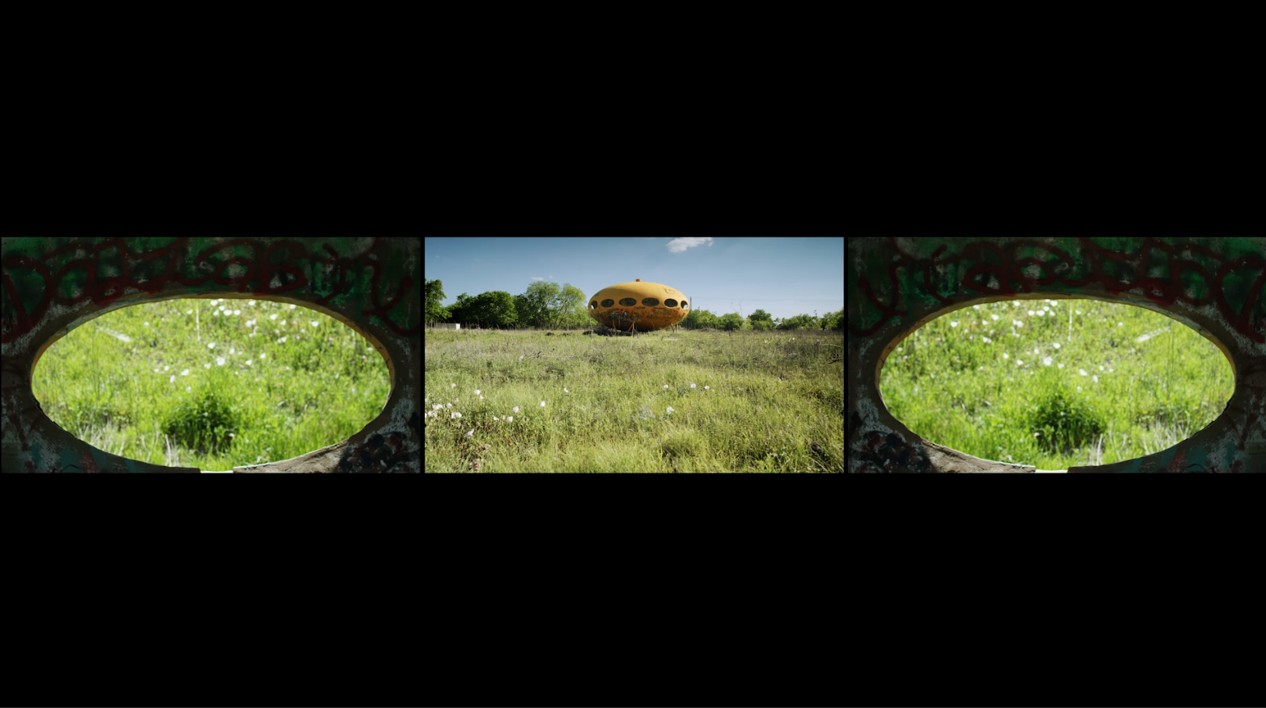
I came about images of the Futuro House, designed by Matti Suuronen in the mid-20th century, when people imagined futuristic lives. That vision of the future was very different from the one we experience today.
I thought: maybe I want to work with the futures imagined in the past — futures that expired, futures that never came.
One spring weekend, I went to buy flowers — part of my self-care routine. Standing in the long line, watching people buy flowers for many reasons, a simple sentence came to me: “I bought flowers.” That sentence overlapped with the image of the Futuro House. In that moment, I knew: this is the work I need to make.
I googled the locations of the remaining Futuro Houses and found one abandoned near a highway in Royse City, Texas — a place I’d never heard of. It took me a year and a half to find a residency near enough to the site.
I prepared everything: camera operator, a rented RED camera, the text, the narration. I thought I was ready.
But when I arrived, nothing was as I had imagined. The Futuro House was covered in graffiti, surrounded by trash and overgrown grass. I bought rubber boots and a plastic jumpsuit and began clearing the site. It was overwhelming.
I had planned to stay two weeks; I ended up staying three months. I cleaned every day and often doubted whether I could finish the work.
It rained heavily one day and I called a friend crying: What am I doing here? I know no one. I don’t know if I can finish this. I just want to go home.
To keep myself sane, I began organizing dinners at the residency with the other artists and local neighbors — twice a week. Having a life there helped, and soon the neighbors started helping me clean the site.
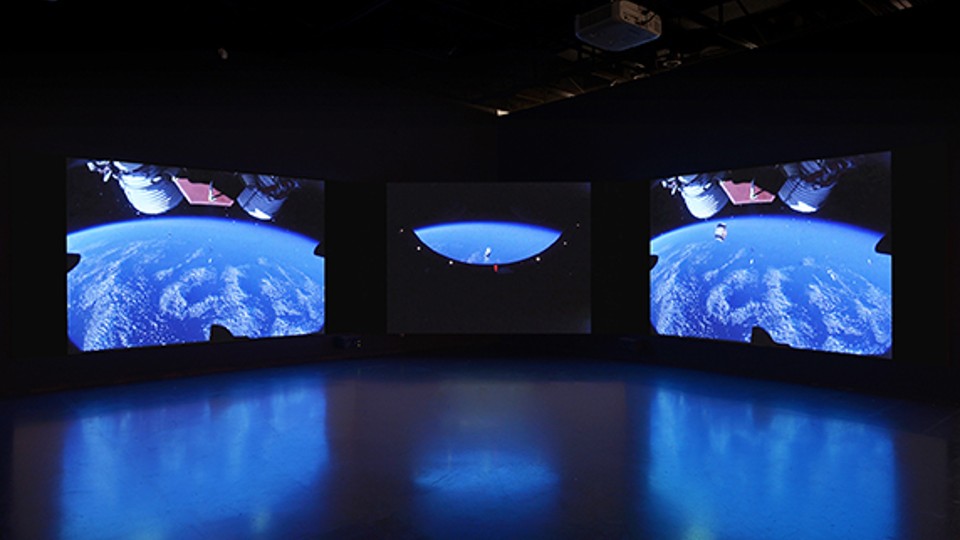
On the drive to the Futuro House, I discovered a ranch with an old NASA practice vehicle — not an actual spacecraft, but something built for training. I filmed it, and it became part of the work.
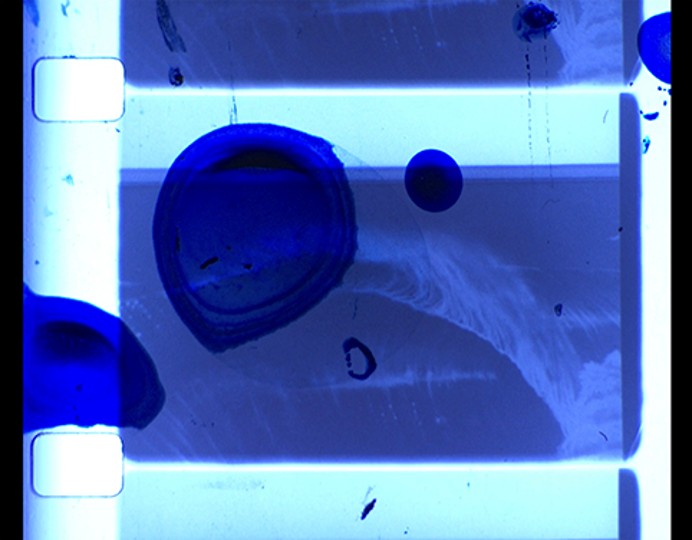
Eventually I completed the three-channel video Once Called Future. I used found 16mm footage from the space era, my own footage of the Futuro House, and images from the surrounding area.
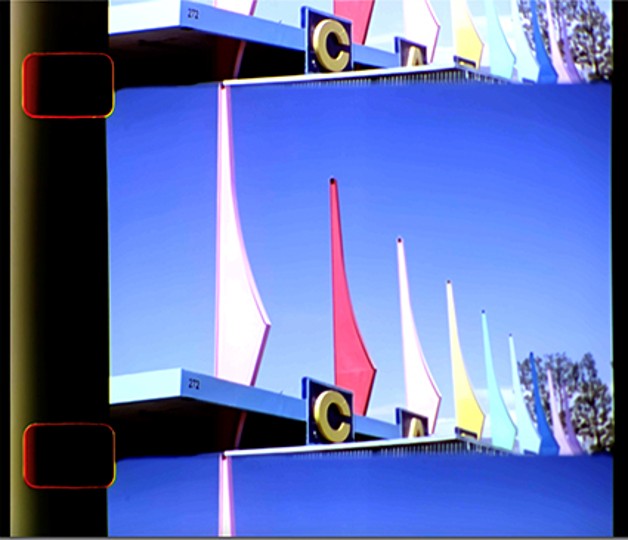
While researching for Once Called Future, I learned about Googie architecture — the mid-century futuristic style from the atomic era, found mostly in Southern California. I visited Googie sites whenever I passed through Los Angeles. I didn’t know what I would do with this research, but the idea of surface kept returning: surfaces, decorations, façades.
One day, looking at Christmas decorations with my niece and nephew, I suddenly understood: Googie is all about surface — the surface of a future that never arrived.
This became the basis for another work, All That Glitters, All That Flickers, about surface and misguided utopias — utopias mis-copied or misremembered that nonetheless become perfect, if only for a moment.
After finishing it, looking back to one of my earliest works, I realized that back then I was already working on the concept of surface - that for nearly two decades I have been making the same work: about utopia, and the fleeting perfection we project onto things.

Art gives me that happiness, that feeling of ecstasy while making. But that feeling has little to do with “life” in the broader sense. Life is something else.
For nearly two decades I have been making the same work: about utopia, and the fleeting perfection we project onto things.
Many thanks:
- To Kelvin Kyung Kun Park and Hyunseon Kang for creating the connection that made this event possible;
- To everyone who joined in person and online, and to the many connecting nodes who actively helped spread the word about this event.